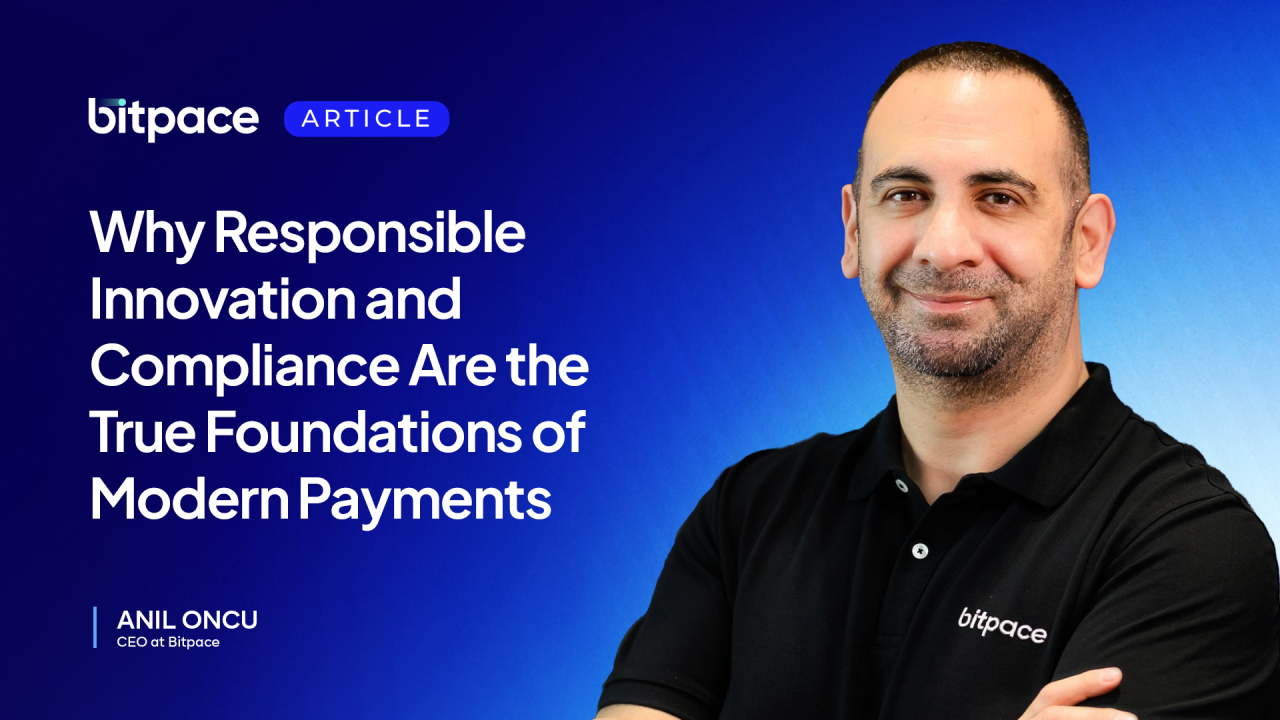

Instant settlement and ultra-low costs mean very little if a payment system lacks trust, operational security, and regulatory alignment.
High transaction speeds do not move institutional capital on their own. Business value is unlocked when speed is paired with capital protection, regulatory alignment, and reliable banking relationships.
The Enterprise Adoption Barrier
Ask a global treasurer why they hesitate to transition off legacy correspondent banking, and the conversation quickly moves beyond settlement speed. They face real operational friction: off-ramp availability, bank de-risking, FX exposure, and pre-funding constraints across fragmented corridors.
A frictionless settlement flow can quickly lose its commercial value if it exposes a business to legal liability. For enterprise leaders, adoption requires non-negotiables:
- Regulatory Alignment: Assurance that payment flows adhere strictly to regional and international legal standards.
- Operational & Banking Resilience: Reliable fiat off-ramps and institutional banking relationships built on auditability, clear settlement finality, and robust risk management.
- Reputational Integrity: Confidence that underlying rails detect, mitigate and manage risk, money laundering, and illicit financing.
- Commercial Growth & Liquidity: Fast, cost-efficient payment flows that optimise working capital and unlock new market corridors without tying up excess liquidity.
Waiting for Regulation Will Leave You Behind
The biggest mistake a fintech leader can make is waiting for policymakers to hand down definitive legislation before building compliant infrastructure. By the time the laws are codified, the market leaders will have already defined the standard. Waiting creates paralysis.
True responsible innovation means compliance isn’t a downstream function or a separate department, but it is core software architecture built into the product from day one. At Bitpace, we view compliance not as a reactive tax on innovation, but as core product engineering. Building to high standards by embedding real-time AML/KYC screening, an ISO/IEC 27001-certified information security, and segregation and safeguarding of client funds where applicable helps enterprises innovate with operational confidence.
Designing the Future of Capital Movement
The path forward depends on open collaboration between technology providers, financial institutions, and regulatory bodies. Regulators and banking partners are essential stakeholders in establishing scalable economic infrastructure.
The industry’s job isn’t to outrun regulatory bodies, but to demonstrate that modern, digital-native rails can provide greater transparency and visibility than legacy financial systems ever could. When payment providers lead with transparent governance and robust risk management, regulation becomes a catalyst for institutional liquidity and market expansion.
Building the Future of Money on Trust
The transition toward digital-native payment infrastructure is well underway. Long-term enterprise value will be measured not just by processing speed, but by how effectively payment rails balance speed, commercial efficiency, liquidity, and security.
How is your organisation addressing risk management when adopting new payment rails?