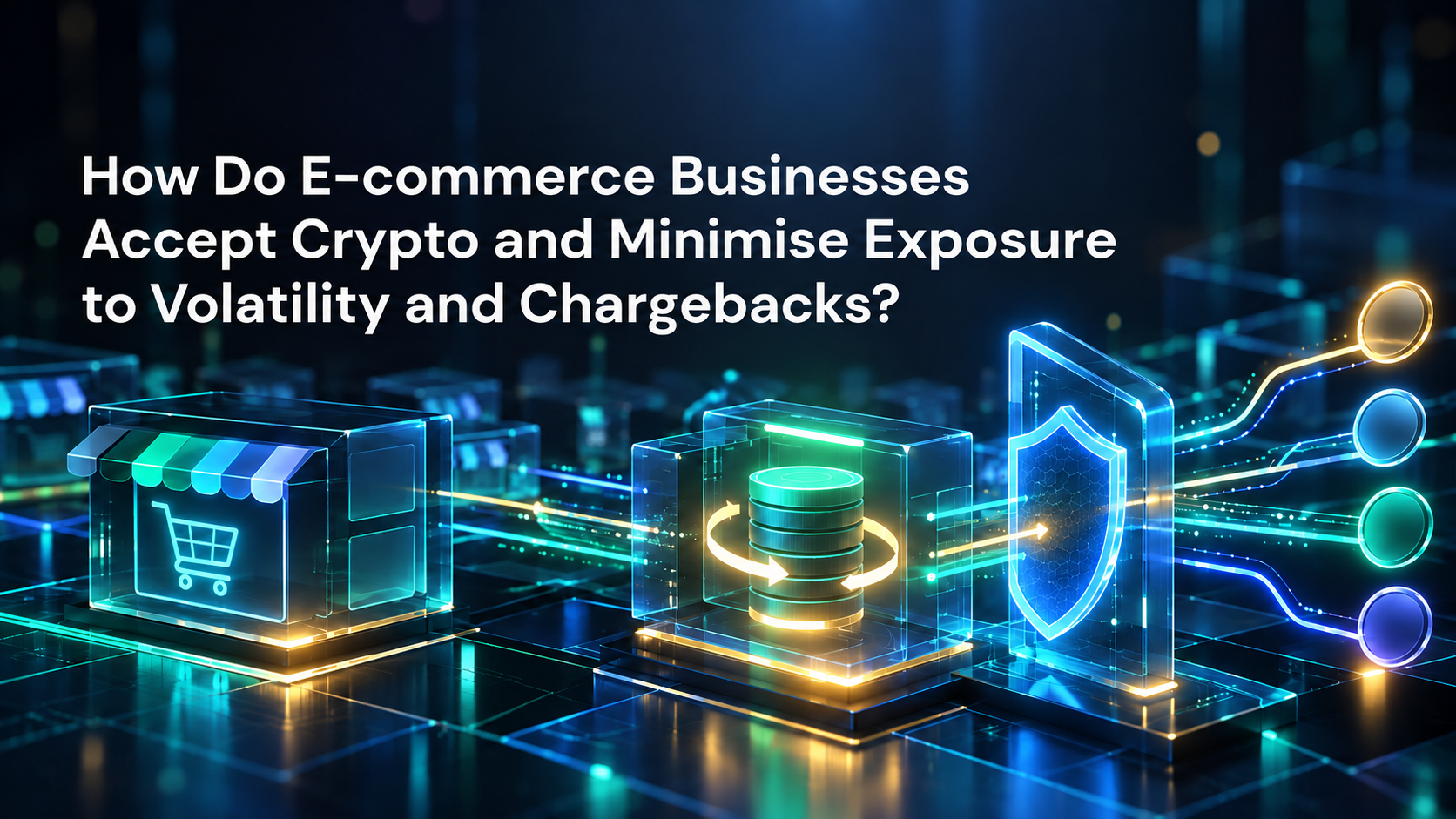

Cross-border rails remain slow and costly, rules differ by jurisdiction, and fraud and volatility quietly erode margins and trust. For a merchant, payment service provider (PSP), broker or property business, these frictions translate into delayed receipts, higher operating costs and regulatory scrutiny that can stall growth. The practical answer is straightforward: you need a payments partner that reduces operational friction, manages compliance risk and removes technical complexity. Bitpace addresses these pressures through liquidity aggregation, instant settlement and white-label integration, so you can scale without rebuilding core infrastructure.
Why scaling global payments is hard
Slow and costly cross-border rails
Traditional correspondent banking adds latency and fees that bite into working capital. Payments routed through several correspondent banks accumulate processing time and layered charges at each hop, which matters when you need predictable cash flow to fund inventory, services or margin calls.
The World Bank’s Remittance Prices Worldwide database shows that average remittance costs remain well above international targets and vary widely by corridor. In Q3 2025, the global average cost of sending $200 stood at 6.36%, more than double the 3% target set for 2030 under UN Sustainable Development Goal 10.c, which also commits to eliminating corridors priced above 5%. The economics of accepting international payments are therefore often corridor-dependent. Sub-Saharan Africa, for example, remains the most expensive region to send money to at 8.46%, and nine of the thirteen corridors priced above 20% originate there.
Multi-leg fiat flows also create reconciliation overhead. When funds pass through several accounts and clearing systems, treasury teams face fragmented statements, mismatched reference codes and manual matching. That adds to workload, delays the month-end close, and makes liquidity harder to forecast.
Divergent regulatory regimes
Regulation varies significantly across jurisdictions. Licensing and registration rules for payment services and crypto-asset service providers differ in both scope and enforcement intensity. You might face registration obligations in one market, reporting rules in another and custody limitations in a third, which lengthens onboarding timelines and raises compliance costs.
Identity verification under know your customer (KYC) rules, reporting thresholds and custody requirements are rarely uniform. Mapping these differences before you expand reduces the risk of fines and enforcement action, and a planned compliance posture makes it less likely that local rules will disrupt operations after launch.
Fraud, volatility and margin erosion
Fraud and chargebacks are direct cost centres. For merchants, disputed transactions bring returns, investigations and higher acquiring fees. For brokers and PSPs, fraudulent flows create financial losses and reputational damage that can restrict partner access.
Holding operational balances in crypto adds volatility exposure because price movements between acceptance and settlement can erode margins. Without hedging, a sharp move in token prices can turn a profitable sale into a loss before conversion to fiat. Together, fraud and volatility can stall expansion unless you implement controls and treasury strategies.
What is changing in 2026
Rising merchant interest in crypto
Merchant and retail adoption of crypto has continued to grow, particularly in corridors where banking services are limited, remittance volumes are high or cross-border commerce is common. Markets with constrained access to banking tend to lead this shift.
For a merchant, that means reaching new customers. Accepting crypto can open acquisition channels in markets where card penetration is low but mobile and crypto usage is high. Even so, weigh demand against compliance and operational readiness before adding new rails.
Payments infrastructure evolution
Payments infrastructure is also changing. Central bank digital currency (CBDC) pilots are underway in multiple jurisdictions, and SWIFT continues to modernise cross-border messaging and tracking through its gpi enhancements. These developments reduce friction for certain flows but do not remove the need for alternative rails that offer speed, cost advantages and liquidity flexibility.
Corridor liquidity expectations are shifting too. Buyers and sellers increasingly expect faster execution and predictable settlement windows, which pushes providers towards near-real-time settlement or immediate conversion.
Persistent friction and cost
Despite these improvements, remittance costs remain uneven across corridors. World Bank data continues to show wide variation in fees and execution times, which keeps the economic case for alternative rails strong. Choosing rails that lower fees and speed up settlement can materially improve margins and the customer experience, particularly for high-volume or low-value transactions.
Why crypto matters for scaling
Near-real-time settlement
Crypto rails can settle in close to real time, which reduces counterparty and settlement risk. Once a network confirms a transaction, funds are final, shortening the period your capital is exposed.
The treasury benefits follow from that speed. Faster cash flow improves working capital and reduces reliance on short-term borrowing, and quicker reconciliation lets you release goods or services with greater confidence. The limits matter too: on-chain finality depends on the network and token you choose, so design your flows around assets with suitable settlement characteristics.
Global acceptance in underserved markets
Crypto rails enable acceptance in markets where local banking is limited or expensive. Consumers and businesses in those markets often prefer rails that bypass constrained correspondent networks, so crypto acceptance can help you capture cross-border commerce and remittance flows that would otherwise be hard to reach.
Consider an illustrative corridor: a merchant in a small economy with few card networks can accept crypto payments from diaspora customers abroad, convert promptly to local fiat through a liquidity partner, and avoid the settlement delays that correspondent banking would introduce.
Programmable settlement and liquidity
Programmable settlement lets you automate foreign exchange (FX) conversion, split receipts across accounts and trigger workflows once funds settle. That removes manual steps from treasury operations and speeds reconciliation. Liquidity aggregation connects you to multiple providers to secure competitive FX rates and reduce slippage during conversion.
The operational payoff is more predictable pricing, less spread erosion and automation of hedging or settlement decisions that previously required manual intervention.
Security and compliance caveats
These benefits are conditional. They materialise only when crypto rails are paired with robust security and compliance. Obligations such as the travel rule and sanctions screening apply to crypto flows just as they do to fiat. Implement technology and policies that map those obligations to your payment paths, and use regulated provider tooling to reduce risk.
Security best practices
Custody and key management
Use institutional-grade custody, or multi-signature and multi-party computation (MPC) arrangements, for operational wallets. Insist on audited infrastructure and proof of reserves where relevant, and define recovery and access guarantees contractually so the business can keep operating if a staff member leaves or a provider fails.
Infrastructure security measures
Adopt a zero-trust architecture with strong network segmentation and role-based access control. Store private keys in hardware security modules and schedule routine penetration testing. A disciplined configuration and patch-management cadence keeps exploitable exposures to a minimum.
Transaction monitoring and analytics
Combine on-chain analytics with off-chain signals for real-time screening. Use address risk scoring and pattern detection to inform acceptance decisions and to escalate suspicious flows. Integrating sanctions lists and automated escalation workflows reduces manual review time and improves compliance coverage.
Incident response and recovery
Maintain a tested incident playbook covering cold-wallet recovery, legal escalation and regulator notification. Run tabletop exercises and document responsibilities clearly, for example with a RACI matrix. Keep forensic and audit logs available for investigations and reporting.
Compliance best practices
Jurisdictional registration requirements
Map where registration or licensing requirements apply and prioritise early registration to reduce enforcement risk. Track local payments rules and consumer-protection obligations that affect customer contracts, and build a regulatory watch to capture changes and drive timely remediation.
Know your counterparty processes
Implement tiered KYC verification and ongoing monitoring, and retain provenance data for large or high-risk transactions. Risk-based thresholds should trigger enhanced due diligence so that effort matches the profile of each transaction.
Travel rule and sanctions screening
Put in place originator and beneficiary information flows in line with Financial Action Task Force (FATF) guidance and, in the EU, the Transfer of Funds Regulation. Screen every payment path against relevant sanctions lists, such as the EU consolidated list and, where exposure requires it, OFAC and other authorities. Automating suspicious activity reporting and escalation reduces latency when regulators request information.
Data protection and privacy
Ensure GDPR and local privacy compliance when handling KYC data. Apply strict retention policies, put data-processing agreements in place with vendors, and conduct privacy impact assessments for onboarding flows that collect sensitive customer information.
Core architecture components
API gateway and endpoints
Offer a single API for charging wallets, querying payment status and processing refunds. Design idempotent endpoints so that network retries do not cause duplicate processing, and provide SDKs or plugins to speed up merchant integration and reduce developer effort.
Liquidity aggregation and routing
Connect to multiple liquidity providers to access competitive FX rates and improve fill rates, and use dynamic routing to reduce slippage and choose the best execution path for each payment. Bitpace’s liquidity aggregation puts this approach into practice.
Settlement and conversion layer
Provide instant conversion to local fiat, partial hedging, or settlement in crypto, depending on the merchant’s preference. Immediate fiat settlement reduces exposure to volatility and simplifies accounting by eliminating the need to manage complex on-chain treasury positions. Bitpace’s instant settlement is designed to minimise merchant exposure and streamline cash management.
Compliance orchestration layer
Centralise KYC, sanctions screening and transaction monitoring so you can meet obligations across markets without rewriting code for each jurisdiction. Orchestration tooling automates audit trails and reporting, cutting manual effort and improving consistency.
Operational features and reporting
Reconciliation and reporting
Deliver automated reconciliation files, tax-ready reports and immutable audit logs. Machine-readable statements reduce manual dispute handling and accelerate month-end close, and exportable transaction histories let accounting systems simplify bookkeeping and tax compliance.
Whitelabel and customisation
Let PSPs and merchants keep their brand while outsourcing orchestration and compliance, with embeddable interfaces, hosted checkout and configurable settlement options. Bitpace’s whitelabel solution suits PSPs and enterprise customers that want to retain brand control while delegating operational complexity.
Monitoring and alerting
Provide real-time operational dashboards for settlement, liquidity and exception handling. Set thresholds and automate alerts so treasury and compliance teams are notified when action is required, and provide investigators with drill-down tools to reduce review times.
KPIs to track
Settlement time and latency
Measure end-to-end settlement time to the treasury or merchant account. Set targets for near-instant or sub-minute settlement where feasible, and use latency metrics to prioritise the corridors and rails that meet your operational needs.
Conversion spread and routing efficiency
Track the difference between the mid-market and executed rate across providers. Monitoring routing performance and slippage shows how efficient your aggregation is and gives you evidence to negotiate liquidity-provider terms.
Acceptance rate
Monitor successful payments against attempts to tune flows and improve the user experience. Analyse reasons for decline to refine routing and onboarding, and correlate acceptance with KYC friction to balance trust against conversion.
Fraud, chargeback and compliance metrics
Track fraud incidents, chargeback-equivalent events and dispute-resolution times, and monitor compliance false-positive rates to control the manual review burden. Report these metrics regularly to senior risk and finance teams to keep decisions data-driven.
Sector-specific considerations
E-commerce merchant considerations
Design a clear payment flow and deliver instant receipts to meet customer expectations. Offer the choice to accept crypto or convert immediately to fiat to avoid volatility, and link refunds and returns to settled fiat to simplify customer service and accounting.
Payment service provider (PSP) needs
Provide orchestration that hides multiple rails and liquidity partners from merchants. Ensure rate limiting, auto-scaling and developer tooling to handle peak volumes, and offer compliance for merchants that lack in-house capability.
FX and CFD broker needs
Integrate hedging to manage exposure from crypto balances, and align netting and settlement windows with your risk appetite. Trade reporting and client-money segregation should meet your regulators’ requirements to prevent commingling and regulatory breaches.
Real estate company requirements
Apply enhanced due diligence and provenance checks for high-value transactions. Combine programmable escrow with fiat settlement to meet the legal requirements for property transactions, and design workflows for title, escrow and regulatory reporting that map to local practice.
Implementation roadmap
Map jurisdictions and requirements
Identify priority corridors and token sets, and map the applicable registration obligations. Create a phased compliance plan with clear timelines and owners, and prioritise corridors with the highest demand and lowest friction for an efficient rollout.
Select an API-first provider
Evaluate providers on security, compliance coverage and liquidity, and request certifications, audit reports and uptime guarantees. A single integration that combines liquidity aggregation with compliance tooling, as Bitpace provides, keeps the initial build manageable.
Pilot payment flows
Start with a single corridor and a limited set of tokens to validate KYC, routing and reconciliation. Capture metrics, refine dispute and refund processes, and use what you learn to harden incident response and monitoring before a broader rollout.
Scale rails and automate
Add liquidity partners and settlement destinations as flows mature, and move from manual reviews to automated risk scoring and alerts. Keep measuring your KPIs and iterating on routing logic to maintain competitive pricing and reliable settlement.
Compliance checklist and risks
Minimum compliance checklist
- Apply tiered KYC and enhanced due diligence.
- Implement sanctions screening and the travel rule.
- Keep records in line with regulator retention rules, supported by privacy assessments.
Technical risks to watch
- Smart-contract vulnerabilities, which call for independent audits.
- Liquidity shocks that widen spreads and cause fill failures.
- Vendor concentration and single points of failure.
Operational mitigations
- Maintain hedging strategies and multiple liquidity sources.
- Run regular penetration tests and code audits.
- Document escalation paths and run tabletop exercises.
Vendor governance controls
- Vet providers for ISO 27001 and SOC 2 where applicable.
- Require contractual SLAs, uptime guarantees and support commitments.
- Keep substitute providers or contingency plans ready.
Trade-offs and considerations
Advantages
- Faster settlement reduces counterparty and settlement risk.
- Global rails extend reach where banking access is limited.
- Programmable settlement improves treasury efficiency and automation.
- Push-based crypto payments avoid the chargebacks associated with card rails.
Disadvantages
- Regulatory complexity varies by jurisdiction and lengthens the onboarding process.
- KYC and transaction monitoring add operational demands.
- Without proper aggregation, liquidity fragmentation increases complexity.
How Bitpace helps
Platform features and liquidity
Bitpace connects to multiple liquidity providers to secure competitive pricing and dynamic routing. Aggregation improves fill rates and reduces conversion spread, which helps protect your margin when converting crypto receipts to fiat.
Instant settlement and treasury options
Instant settlement minimises exposure to volatility, and you can choose fiat settlement, partial hedging or crypto settlement to suit your treasury requirements. Shorter reconciliation cycles simplify accounting for your finance team.
Compliance tooling and KYC
Compliance orchestration centralises KYC, sanctions screening and transaction monitoring, reducing the compliance burden as you scale and helping you meet cross-border obligations without building custom tooling in each market.
Integration and white-label support
Single-API integration, SDKs, and plugins accelerate merchant onboarding, while whitelabel options let you retain brand control while outsourcing orchestration and compliance. This suits PSPs and enterprises that want a branded experience.
Conclusion
Scaling global payments in 2026 depends on a practical mix of secure infrastructure, disciplined compliance and operational automation. You need to reduce settlement latency, control fraud, and manage regulatory obligations across jurisdictions simultaneously. An API-first provider that combines liquidity aggregation, instant settlement and compliance orchestration shortens time to market and lowers ongoing operational risk. Bitpace brings these components together so you can focus on growth rather than rebuilding complex rails.
Accept crypto payments through the Bitpace crypto payment gateway, with support for Bitcoin, Ethereum, Litecoin and other established cryptos. Contact Bitpace to discuss how accepting crypto payments fits your business.
Frequently asked questions about scaling global payments in 2026
What is the biggest challenge when scaling global payments in 2026?
The main obstacles are slow, multi-hop correspondent rails, divergent regulatory regimes, and the combination of fraud and currency FX volatility. Together, these create latency, layered fees, reconciliation overhead and compliance costs that delay receipts and erode margins. Choosing partners that aggregate liquidity and simplify compliance reduces this friction.
How can you improve settlement speed and reduce costs when scaling global payments?
Use rails that offer near-real-time settlement, liquidity aggregation and instant conversion. SWIFT gpi, CBDC pilots where available, and crypto and stablecoin rails can each provide faster finality depending on the corridor. Bitpace supports whitelabel integration, instant settlement and treasury tools that cut processing time and reconciliation overhead.
Can you safely accept crypto payments in high-remittance corridors?
Yes, but only with robust controls. Accepting crypto in high-remittance corridors can extend reach where card access is limited, but it requires AML and KYC checks, custody policies, fraud detection and local compliance. Use regulated providers, instant conversion and clear reconciliation workflows to manage volatility and reduce operational risk.
How can you protect margins from crypto volatility when scaling global payments?
Use a layered treasury approach: instant on-chain settlement, automatic fiat conversion, hedging, and limits on operational balances. Stablecoin rails and liquidity pools can reduce exposure, and platforms offering real-time reconciliation and liquidity aggregation help keep margins predictable.